Program Areas
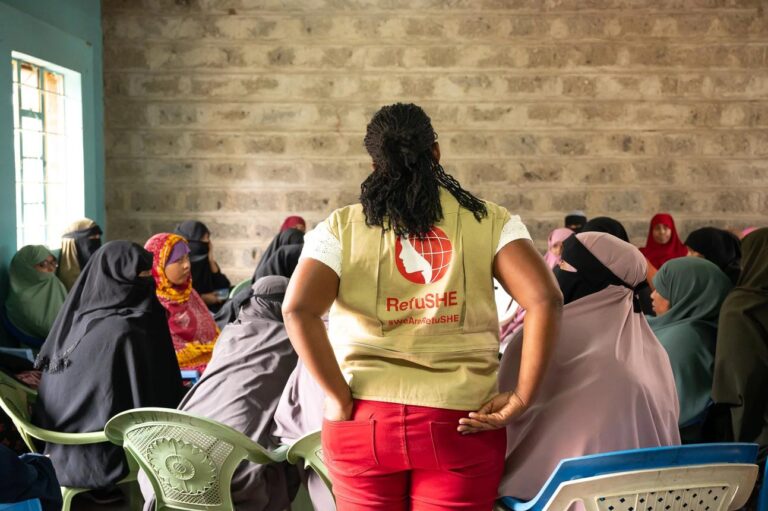
Psychological First Aid
Psychological first aid offers humane, practical, and non-intrusive support to people experiencing distress after conflict, displacement, loss, or emergency.
Read More
Contribution: Protects dignity through calm and respectful care, improves access to immediate support, strengthens emotional resilience, and creates a safer first step toward sustainable recovery.

Individual and Family Support
Individual and family support provides confidential listening, coping guidance, referrals, and structured assistance adapted to personal and household needs.
Read More
Contribution: Affirms dignity through person-centered care, improves access to help, strengthens family resilience, and supports sustainable recovery by restoring stability and connection.
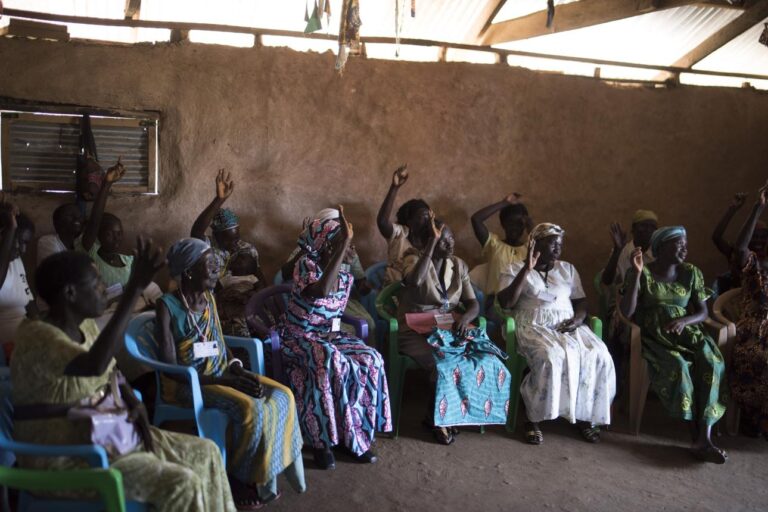
Peer Support Groups
Peer support groups bring people with shared experiences together to listen, reduce isolation, exchange coping strategies, and encourage mutual assistance.
Read More
Contribution: Restores dignity through belonging, expands access to community support, strengthens collective resilience, and supports sustainable recovery through lasting social connections.

Women’s Healing Circles
Women’s healing circles offer safe, culturally responsive spaces where women can share experiences, strengthen mutual support, rebuild confidence, and connect with services.
Read More
Contribution: Honors women’s dignity, improves access to trusted support, strengthens personal and collective resilience, and promotes sustainable recovery through renewed voice and connection.
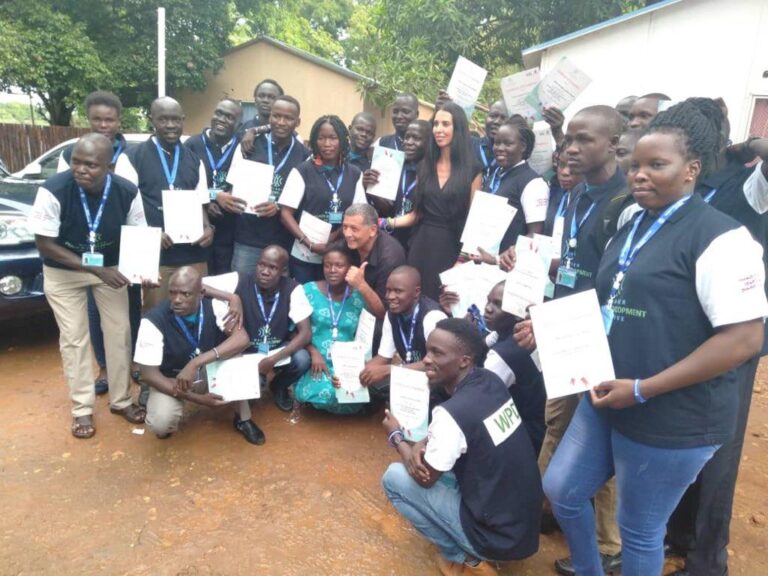
Youth Resilience Activities
Youth activities combine recreation, learning, mentoring, leadership, creative expression, and psychosocial support to help young people manage adversity.
Read More
Contribution: Affirms youth dignity and potential, expands access to safe opportunities, builds emotional and social resilience, and supports sustainable recovery by investing in the next generation.
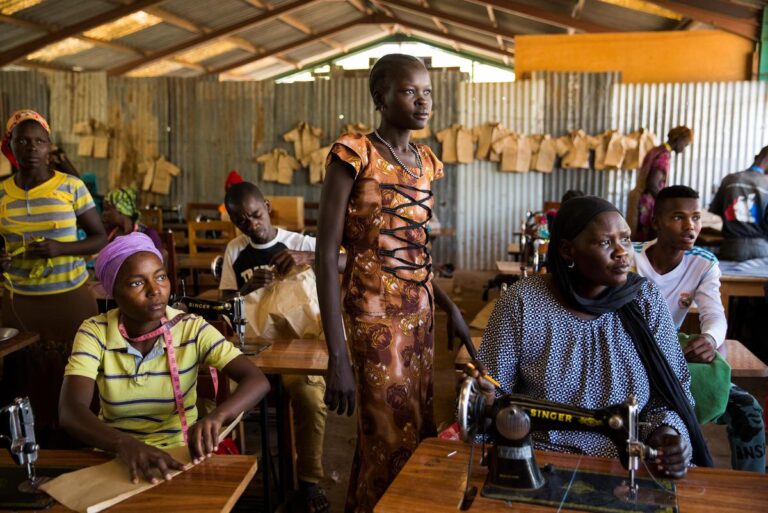
Community Dialogue
Community dialogue creates inclusive spaces for people to discuss shared experiences, reduce tension, rebuild trust, and identify community-led healing priorities.
Read More
Contribution: Respects dignity by enabling every voice, improves access to peaceful dialogue, strengthens social resilience, and supports sustainable recovery through trust and collective action.
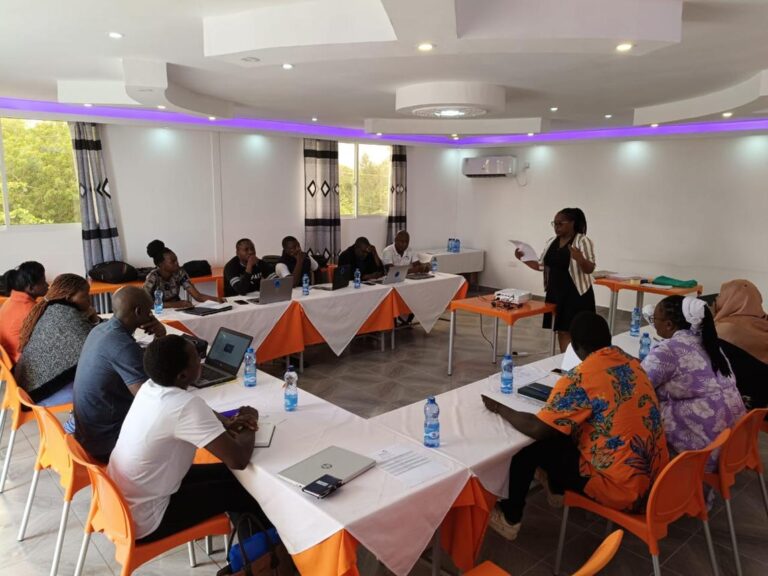
Training for Community Leaders
Training equips local leaders, faith leaders, volunteers, teachers, and service providers to recognize distress, respond safely, facilitate support, and make appropriate referrals.
Read More
Contribution: Strengthens dignity through informed local care, expands access to trusted support, builds community resilience, and sustains recovery by embedding knowledge in local institutions.
Overall Program Contribution
Together, these healing programs restore human dignity, expand safe access to emotional and social support, strengthen individual and collective resilience, and help communities pursue peaceful and sustainable recovery.
Expected Results
- Improved emotional well-being
- Stronger family relationships
- Reduced stigma around mental health
- Better referral to specialized support
- Greater resilience and social cohesion
- Safer community-based support systems
Our Commitment
Do-No-Harm Commitment: Untrained volunteers are not treated as clinical professionals. Services prioritize confidentiality, informed consent, safeguarding, cultural sensitivity, and safe referral.